Campus Commute: Navigating the Road to Graduation
Hello all, welcome to our game!
This game is about perseverance and the daily effort it takes to overcome challenges, manage stress, and stay motivated in the face of obstacles. I hope that this reflection provides a deeper understanding and meaningful insight into the process behind the creation of this game, and I hope that you enjoy our game.
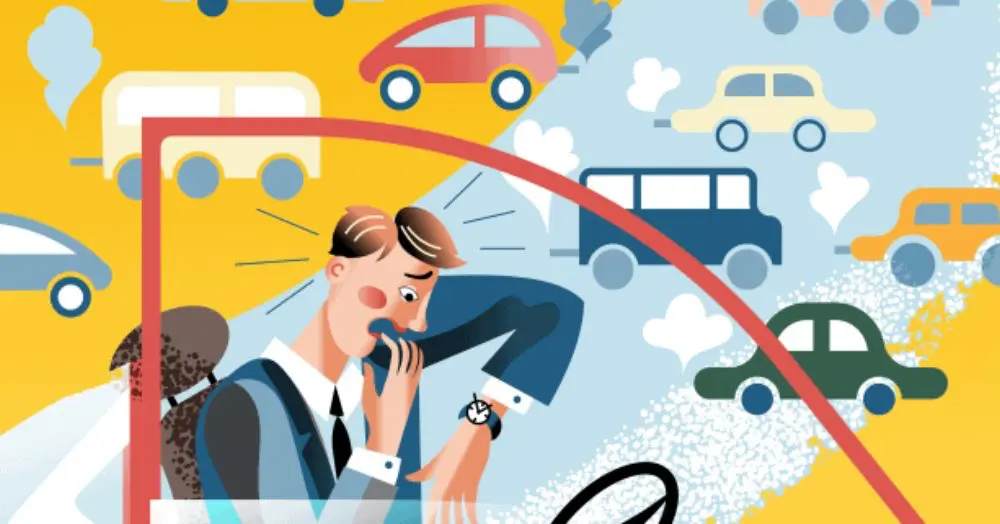
Campus commute is a choice-based game that explores the daily difficulties that students living far away from their university campus face. Campus Commute is a choose-your-own-path game where every day presents different choices, all impacting four core aspects of student life: energy, stress, GPA, and social life. The goal of this game is to survive the semester without burning out, failing your classes, or isolating yourself. The game’s scenarios are all inspired by our own experiences commuting to and from university, making it both relatable and realistic.
To begin with, the game was created primarily on POE, an AI website with different AI models, including a game creator. We chose this platform because it made the game much more dynamic and interactive compared to alternatives like doing it on PowerPoint or Google Forms, while also being easier to use and customize. POE also allowed for quick adjustments, easy customization, and access to different AI models that could assist in refining the game’s structure and content.
In the first draft of the game, we had 5 questions for each path (car/carpooling and bus/uber), making 10 questions total. The scoring system was flawed as it always gave the same ending, and the game needed more depth. In the final draft, we set out to fix many issues and perfect the game. We started by adding 5 questions to each path, making each one have 10 questions and 20 in total. We modified the questions and reworded them to fit the exact ideas we intended to include and to make it simpler for the player. We also added an opening message to act as an introduction to the game, giving the players a better grasp of the game and its goal. We then decided to add random events like sick days, pop quizzes, and family emergencies that occur randomly throughout the game, affecting scores and making the game a more realistic representation of real life. Finally, to fix the issue with the scores and endings, we changed the scoring system, making it stricter and more balanced so that every ending could realistically be reached depending on the player’s decisions throughout the game.
Since we did not have a long time to create the game, there are several things we would have done differently if had more time to plan, develop, and refine it further. One thing I would have done differently is that, in order to be more relatable and realistic to a larger audience, we could have conducted interviews with other people who live far away from the university to better understand their real experiences and challenges, and used their input to create even more authentic and varied scenarios. Additionally, we could have connected both paths, the car/carpooling and the bus/Uber, at the end to act as a middle ground for those who live far away. We could also have added some parts comparing the scenarios we have for people living far away with new scenarios for students living close to the university, to highlight how different daily challenges and experiences can be depending on where a student lives. Finally, one thing I would have done differently if we had more time is adding real images of the traffic and random situations included in the game to make the players feel more immersed and to create a more engaging and realistic experience.
Throughout the process of creating this game, I learned many things, gaining valuable insights into both game design and how to better simulate real-life experiences through interactive storytelling. The first thing I learned was how to create and develop questions and scenarios in a way that makes them more relatable and relevant to the player. As for the game creation itself on POE, a notable thing I learned was the importance of testing and refining our work. I also learned to try things out multiple times until they operated exactly the way I wanted them to. The process of creating this game made us realize that, as individuals who live far from our university, we have to be highly disciplined in order to consistently arrive on time while managing our stress and energy in a way that allows us not only to reach the university, but also to be energized and focused enough to be fully engaged in our lectures.
Finally, this game sends a message to everyone facing difficulties commuting to and from university: even though there are always unexpected challenges, especially for those who live far away such as accidents, traffic, sick days, or campus events we want students to know they are not alone, and that we are all working hard toward our future, which can give them the motivation to keep going.
First Draft Game Link (Before Modifications): https://reflect.creativitycourse.org/published/campus-commuting-game/ Final Draft Link (After Modification): https://poe.com/Campus-Commute-Final


Provide Feedback