Part 1: My Game Reflections on Empathy and Narrative
- Spent
- Link: https://playspent.org/
- How I felt: Honestly? I was so stressed. At the start, I thought I was doing okay because I had some money, so I chose the “better” options. But by the 28th, I got hit with a huge bill I couldn’t avoid and lost everything. I felt totally overwhelmed and defeated.
- What I learned: I learned that being poor isn’t just about work; it’s about how one “bad” day or one “surprise bill” can ruin your whole life. I thought I had a lot of money, but the game showed me how fast that disappears.
- Improvement: I wish there was an option to “barter” or trade skills with neighbors to save cash, just to show how people help each other out.
- BBC Syrian Refugees
- Link: https://www.bbc.com/news/world-middle-east-32057601
- How I felt: This one felt very heavy. Playing it twice showed me that there really are no “right” choices, just different types of danger. It made me feel really lucky for the safety I have at home.
- What I learned: I realized that refugees aren’t just “moving”; they are constantly gambling with their lives. Every choice felt like a life-or-death situation.
- Improvement: I think adding more background sounds (like city noise or the ocean) would make it feel even more real and intense.
- The Empathy Toy (Classroom Game)
- Link: https://twentyonetoys.com/pages/empathy-toy?srsltid=AfmBOooOMj0P9nXxj2FezCeHCes6kCRKEQRlW73PvDmnVBDgqnn2Jo4S
- How I felt: I wasn’t the one blindfolded, while two of my friends were, and another friend chose the shape they had to build. We actually picked a really hard, complicated figure for them! I felt a bit bad because I really wanted to help my friend who was blindfolded; I kept wanting to give hints because it was so tough. Watching them struggle for over five minutes to figure it out was really interesting.
- What I learned: I learned the importance of patience and listening carefully. It also showed me that you have to ask the right questions to get the right answers. Seeing them communicate without sight made me realize how much we usually rely on visual cues.
- Improvement: I think it would help if the players got a few seconds to look at or touch the pieces before putting the blindfold on, just so they know what they’re holding.
- Voter Suppression Trail (Professional)
- Link: https://www.nytimes.com/interactive/2016/11/01/opinion/voting-suppression-videogame.html
- How I felt: This was eye-opening. First, I played as a Black voter. The line was huge, I lost three shifts at work, my coworker was mad at me, and after waiting over an hour, there was a “problem” with my ID. I basically lost. Then I played as a white person there was no line at all! I was done in one minute. It felt so unfair.
- What I learned: I learned that “rights” like voting aren’t actually the same for everyone. The game showed me how systems can be designed to make it almost impossible for certain people to participate, even if it’s “legal.”
- Improvement: It would be cool to have a “community” button where you could share water or snacks with others in the long line to keep them from giving up.
- September 7th, 2020 (Professional)
- Link: https://caitkirby.com/downloads/Fall%202020.html
- How I felt: This game hit really close to home and was super relatable. It reminded me of how everyone was struggling during COVID, trying to stay safe, wearing masks, and using hand sanitizer. Just going out to buy essentials felt like a huge risk. Reading through it, I felt how stressed the character was, they were taking antidepressants, feeling very depressed and lonely, and really struggling with university.
- What I learned: I learned that there is just no perfect way to handle a pandemic. No matter how careful you are, the virus could still reach you. You basically have to choose between hurting your grades, your mental health, or your physical safety. It really showed how much extra weight and pressure were put on students.
- Improvement: For an improvement, I would include a “social battery” or energy meter. It would show how staying isolated drains a student’s energy and makes it so hard to study. It would also be nice if the game had an element showing professors being more understanding of this drain.
- Depression Quest (Professional)
- Link: http://www.depressionquest.com/
- How I felt: This game felt really heavy and exhausting, but in a very realistic way. I was just trying to get through normal days. One night after work, I told myself I’d just watch 30 minutes of TV, but I ended up frozen on the couch for hours and felt so guilty about it. At a party, I felt too anxious to talk to anyone and just hid against a wall. The most frustrating part was when my mom visited; I tried to be honest about how drained I was feeling, and she just told me to “work harder” and have a better attitude. I even started pulling away from my partner, Alex, feeling like a burden to her, but too scared to talk about it. Later, when an old friend named Amanda visited, I felt so ashamed of my life compared to hers that when she noticed I was upset, I just got defensive instead of opening up. The only bright spot was adopting a kitten from a coworker just to feel a little less lonely.
- What I learned: I learned that depression isn’t just “feeling sad.” It’s a physical exhaustion that makes everything feel impossible. I also learned how it forces you to push away the people who love you whether it’s getting defensive with a friend or feeling like a burden to a partner because you convince yourself you’re not good enough.
- Improvement: The game is mostly just reading text on a screen. I think it would be really cool if the background colors or the music changed based on your choices, like maybe the screen gets slightly brighter or the music gets a little happier when you do something positive, like adopting a cat.
- Game on Responsible Partying (Student)
- Link: https://docs.google.com/presentation/d/1FUGGJrxTjq9YnmcRGJKG_CsX1npnBy9LpSrlYVAgiNE/mobilepresent?pli=1&slide=id.p
- How I felt: I actually felt pretty proud of my choices, even though the game tried to make me feel awkward. Every time I was offered a drink, I chose not to, even when people in the game made fun of me. Later, there was a situation with someone where I had to ask for consent, and I made sure not to be pushy at all. It felt good to stick to my boundaries.
- What I learned: It really taught me how strong peer pressure can be. The game showed how fast and easy it is to just give in, drink alcohol, and take the “easy way” to have fun just to fit in. But I learned that it’s way more important to care about yourself, respect others’ boundaries, and make good, safe decisions.
- Improvement: I think it would be cool to add an option to find other sober friends at the party. That way, when people are making fun of you for not drinking, you can build a little group that supports your good decisions.
Comparing the Games
Looking at all seven games, it’s crazy how different types of stress are used to teach you things. Spent and The Empathy Toy were definitely the most intensely stressful because you feel totally out of control. Depression Quest and the COVID-19 (September 7th) game were exhausting and relatable, showing how mental health can completely drain your energy.
The Voter Suppression Trail was shocking because of the unfairness built into the system. On the other hand, the Responsible Partying game felt more empowering. Unlike Spent or Depression Quest, where your choices feel stripped away, the party game actually lets me stand my ground, set boundaries, and make positive choices despite peer pressure. Overall, using “narrative” games makes you actually feel the weight of a topic way more than just reading a textbook ever could.
part 2
What do you love?
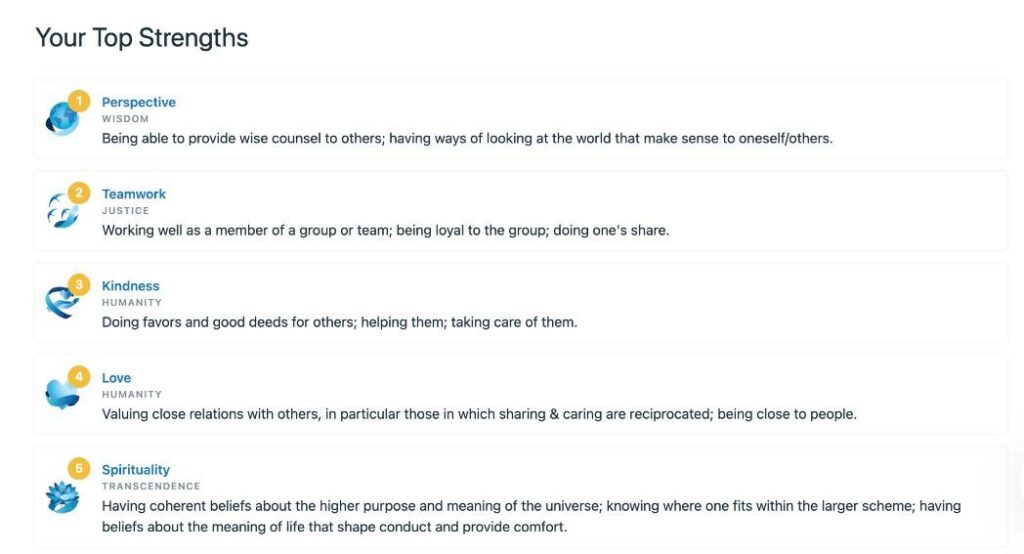
I love spending time with people I care about, having deep conversations, and making memories. I enjoy music, watching shows, playing basketball, and relaxing. I also love moments that make me feel happy, calm, and understood.
What are you good at?
I’m good at listening, understanding people, and giving advice. I’m supportive, patient, and caring, and I try to be there for others when they need someone.
What can you be paid for? / What can you get credit for in your course?
I can get credit for participating in class, completing assignments, and working on projects.
What does the world need?
The world needs kindness, empathy, and people who genuinely care about others. It needs more understanding, less judgment, and more support between people.
Link to my chat: https://chatgpt.com/c/69a35a2e-9d34-832d-9643-f10f117ec000


Provide Feedback