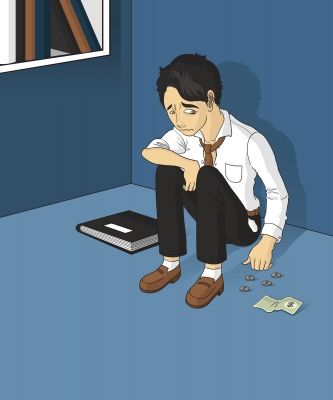
Everyday we see news, catastrophes and crises form behind the screen. The ability to access this easily has made us used to it. In addition, we view these events or news for a couple of minutes and we forget about it. Playing these games has made me put myself in suffering people’s shoes. Without further ado, let’s get into my journey with the games.
1. Syrian Refugees Game
-
What I Liked:
The game emotionally impactful, forcing me to make tough decisions that reflect the real struggles of refugees. In addition, the unpredictability and tough choices felt very real. -
What I Disliked:
Some decisions lacked clear information and it would have been better if there were more choices -
What I Learned:
I learned how refugees face constant uncertainty and difficult moral decisions for the sake of their survival. -
Improvement Suggestions:
The game could use more character depth and clearer feedback on the long-term consequences of decisions.
2. Spent
-
What I Liked:
The game highlights the struggles of living paycheck to paycheck and the tough decisions people in poverty must make. -
What I Disliked:
Some choices felt repetitive and similar scenarios . -
What I Learned:
It showed how stressful and depressing financial insecurity can be. A lot of sacrifice poor people do that affects physical and mental state -
Improvement Suggestions:
More variety in situations and deeper storytelling would enhance the experience.
4. Skills Practice: A Home Visit
-
What I Liked:
The game realistically simulates a home visit and sheds the light on how the obstacles workers face impacts of small decisions. -
What I Disliked:
It could be more dynamic with varied scenarios and deeper character development. -
What I Learned:
It emphasized the importance of empathy and careful communication in social work. -
Improvement Suggestions:
More complex situations and emotional depth would enhance the experience.
5. September 7th, 2020
-
What I Liked:
The game effectively portrays the emotional weight of living through a pandemic and shows how everyday decisions can have lasting impacts on health and safety In addition, The scenarios are very realistic and relatable. -
What I Disliked:
Some of the choices felt too limited. The game could benefit from more varied storylines to enhance replayability. -
What I Learned:
It taught me how critical everyday actions. For example, social distancing or mask-wearing, are during a pandemic and how easily situations can spiral out of control. -
Improvement Suggestions:
Adding more branching paths and deeper consequences would make the game more engaging and reflective of the pandemic’s complexity.
6. Project Honduras
-
What I Liked:
It offers insight into the challenges of international development organizations and community support. -
What I Disliked:
The game felt slow at times, and the consequences of decisions weren’t always clear. -
What I Learned:
It showed the complexity of balancing short-term needs with long-term solutions in developing regions. -
Improvement Suggestions:
More interactive elements and clearer consequences would enhance the experience.
7. The Empathy Toy
-
What I Liked:
I really enjoyed how it challenged my communication skills. Being blindfolded made me realize how tough it can be to rely on others for guidance and how important clear instructions are. -
What I Disliked:
It was frustrating at times when the instructions weren’t clear, and I struggled to understand the shapes without seeing them. -
What I Learned:
I learned how crucial trust and patience are in communication. It was eye-opening to experience how easily things can go wrong if we don’t explain things clearly. -
Improvement Suggestions:
It would help to have better tips on how to communicate more effectively in situations like this.
Here’s a comparison of the games with ChatGPT assistance,
| Game | What I Liked | What I Disliked | What I Learned | Improvement Suggestions |
|---|---|---|---|---|
| Syrian Refugees Game | Emotionally impactful, tough choices reflecting real refugee struggles. | Some decisions lacked clear information and limited choices. | Refugees face constant uncertainty and difficult moral decisions for survival. | More character depth and clearer feedback on decision consequences. |
| Spent | Highlights struggles of living paycheck to paycheck and tough decisions in poverty. | Some choices felt repetitive with similar scenarios. | How stressful financial insecurity is and its impact on mental and physical health. | More variety in situations and deeper storytelling. |
| Skills Practice: A Home Visit | Realistic simulation of a home visit, highlighting the impact of small decisions. | Could be more dynamic with more varied scenarios and deeper character development. | The importance of empathy and careful communication in social work. | More complex situations and emotional depth would enhance the experience. |
| September 7th, 2020 | Effectively portrays emotional weight of living through a pandemic, realistic scenarios. | Some choices felt too limited and a lack of variety in the storylines. | How critical everyday actions, like social distancing and mask-wearing, are during a pandemic. | More branching paths and deeper consequences would make the game more engaging. |
| Project Honduras | Offers insight into challenges of international development and community support. | Felt slow at times, with unclear consequences for decisions. | The complexity of balancing short-term needs with long-term solutions in developing regions. | More interactive elements and clearer consequences would enhance the experience. |
| The Empathy Toy | Challenged communication skills, taught the difficulty of relying on others for guidance. | Frustrating when instructions were unclear, difficult to understand shapes. | The importance of trust and patience in communication. | Tips on how to communicate more effectively would help. |
Hope you have the games had open you sight and shed light on people surviving in silence . I advise you to play them and other games that reflects life struggles. See you next time guys.


Provide Feedback