 The first game, Spent (https://playspent.org), depicts having to make difficult financial decisions while living in poverty. It felt genuine and stressful, which I liked. Every decision had implications. Meanwhile, some possibilities were unduly restrictive. I found that poverty is more than just a lack of resources; it also requires difficult trade-offs.
In the second game, BBC Syrian Refugees (https://www.bbc.com/news/world-middle-east-32057601), you play the role of a refugee fleeing Syria. I was drawn to the options based on their emotional content.However, some courses seemed to be predestined. I discovered how perilous and unpredictable refugee travel can be.
Similarly, Darfur is Dying (https://www.gamesforchange.org/game/darfur-is-dying/) encourages survival amid harsh times. As they grabbed water while avoiding danger, the fear felt real. The simulation demonstrated how war impacts basic requirements such as food and water.
Liyla and the Shadows of War tells the story of a family during a conflict. Despite the limited number of possibilities, I found the story’s emotional substance to be compelling. It highlighted how conflict affects ordinary people’s lives. Depression Quest focuses mostly on mental health. I appreciated how it demonstrated how depression limits alternatives. However, it was emotionally draining. I realised that mental illness had an impact on decision-making.
COVID-19 choices are the topic for September 7th, 2020 (https://caitkirby.itch.io/september-7-2020). I enjoyed how it highlighted the balance between liberty and accountability.It highlighted how individual decisions affect other people.
PART 2:
Ikigai:
- What do you love?
- Family, friends, cars, socializing with new people
- 2. What are you good at?
- Cars mechanics , economics
- 3. What can you be paid for? What can you get credit for in your course? Formula 1 racer
4. What does the world need?less stress
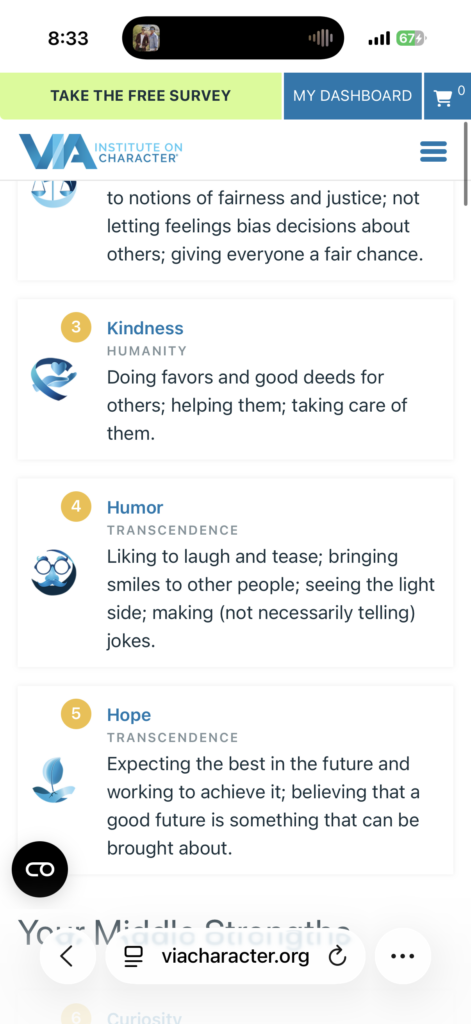
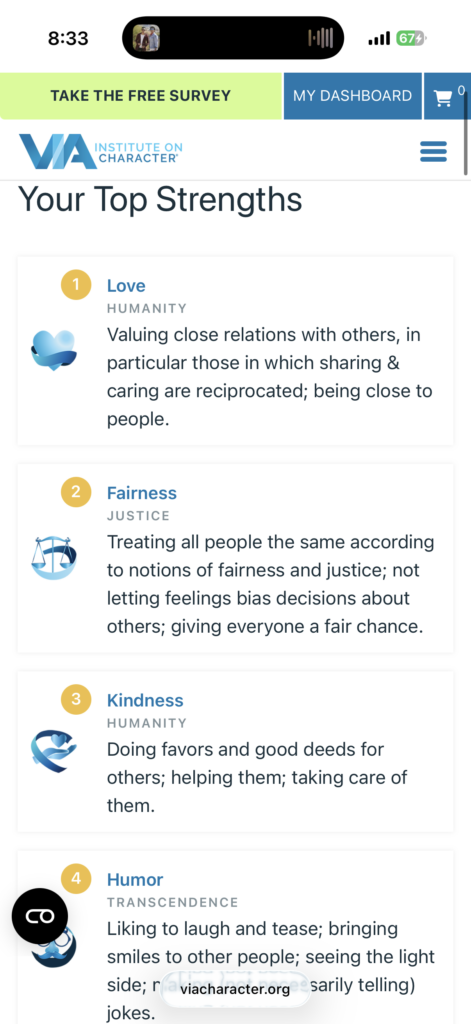
The ideas were about relationships, fairness, and helping people, which match my strengths.
The idea I liked most was:
A game about choosing between helping others and helping yourself.
Another good idea was:
A game about choosing fairness even when it is hard.
These ideas feel real because people face these choices in everyday life.
Game Idea 1:
Helping Others vs Yourself
You play someone who people depend on.
You must choose:
- Help others
- Be fair
- Protect your own future
The game shows how kindness can sometimes be difficult.
Game Idea 2:
Fair or Easy?
You face real-life situations.
Each time you choose:What is fair
or What is easy. The game shows that doing the right thing is not always simple.


Provide Feedback