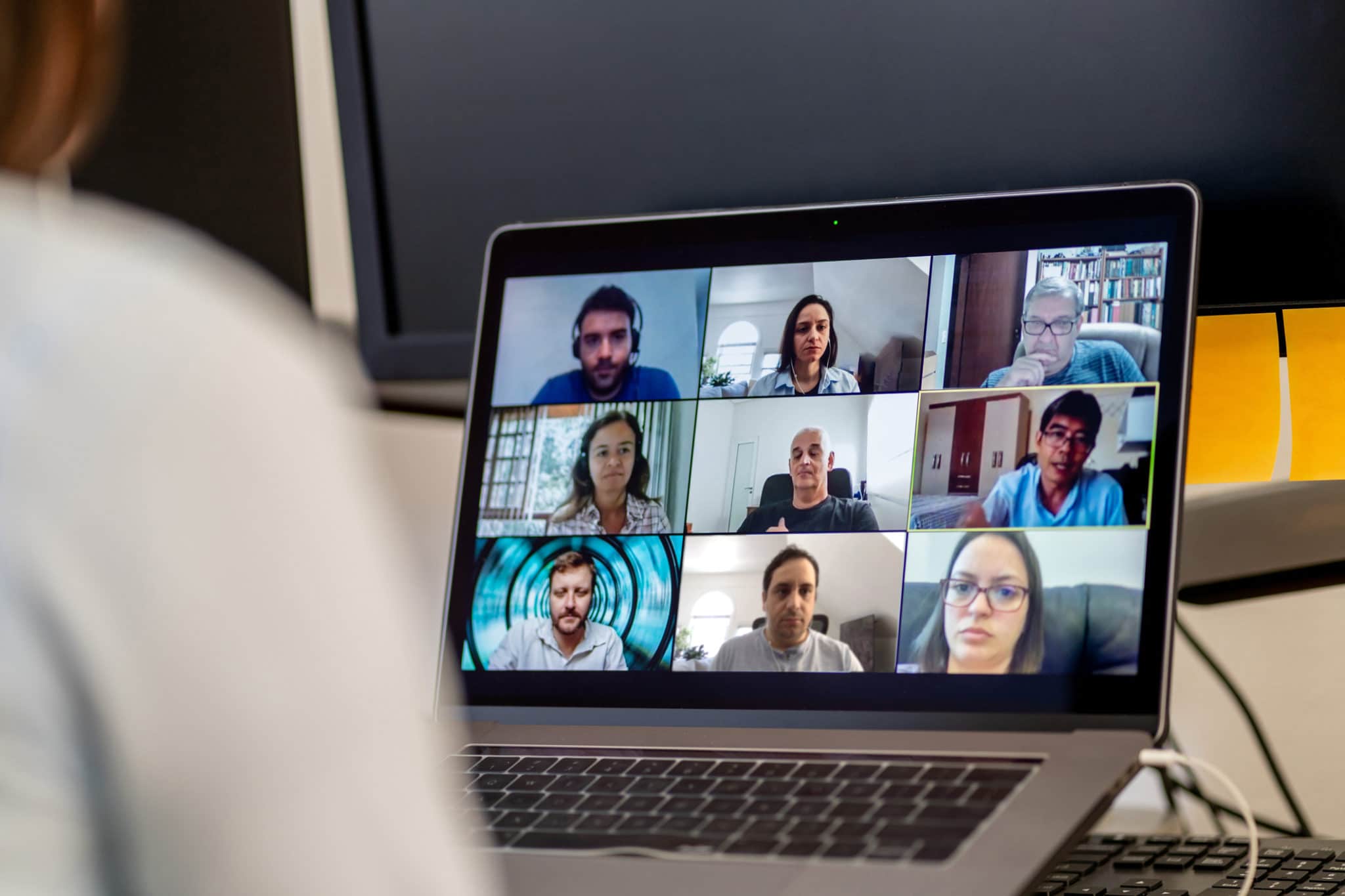
The first Soliya session was like attending a quiet lecture. Their intention to have dialogue not debate was very evident, but the questions posed were in such a manner to invite one sided responses, rather than communication. No back-and-forth flow, no curiosity hooks, no meaningful response loops. That made the experience feel awkward and surface-level, like we were all waiting for the moderator to tell us what to say instead of discovering thought together. The only moment that was emotionally real was the brief one when Israel and Palestine rose up. The war directly touched two persons of the group, but at entirely different angles, one through the impact of a Israel military attack on lebanon, another through the impact of anti-Semitism that swept across the world. Even if the topic was brief and a little heated, it exposed how messy, painful, and personal war in Gaza actually is, and how differently conflict shows differently in people. That contrast stayed in my mind because it showed how dialogue becomes meaningful only when people speak from lived experience.
In second meeting, the awkwardness faded slightly but never disappeared completely until the moderators changed the format. We discussed the our values were we had to select 7 values, which was surprisingly hard for me. We had seven universal values to choose from, and we needed to eliminate four and keep only three. The most difficult part wasn’t picking the three, it was letting go of the four. I realized that I don’t struggle with identifying what matters to me; I struggle with ranking meaning when everything feels important.
The fourth session was the most memorable one where we went in breakout rooms. All of us were paired with one other person, we were meant to discuss a voted topic which was traveling, but the conversation with the other person immediately shifted into personal background, culture, aspirations, frustrations, and even the shared flaws of our countries. That redirection felt natural rather than disruptive. It was the first time in Soliya that I genuinely felt safe being curious with someone new in an online space. Even when disagreeing on destination preferences, the debate wasn’t adversarial, it was comparative, cultural, and reflective. We also spoke about visa policies. Most of the group viewed visas as essential for protecting national safety, and I agreed, but I noticed a performative layer. It felt like everyone disagreed with visas because it sounded correct, not because we had a space to challenge or examine the deeper tension of freedom versus security. Personally, I think borders should be protected, but I also believe we rarely admit how uncomfortable restriction can feel until we experience not having the privilege to bypass it.
By the fifth session, the transformation was obvious. We were no longer uncomfortable. The discomfort of meeting strangers online didn’t vanish, it was actually building slowly into familiarity, trust, jokes, shared frustrations, and political discussions found in local realities like protests, economics, instability, and identity struggles. The biggest learning wasn’t about global issues; it was about my personal pacing. Comfort with people is not a switch I flip; it’s a relationship I build in tiny measures. I saw myself evolve from awkward silence to real engagement, but only when the environment let us talk freely rather than recite. On the final day(which was the fifth session), saying goodbye felt unexpectedly emotional. I learned that the majority of meetings had not been a failure since there could not have been dialogue online, but because the format was attempting to fast-track meaning without creating bond before. What felt forced early on became something I wanted to continue later, once it felt real. That made me both hopeful and aware. My ability to engage authentically takes time, and maybe it always will, but now I know it’s not a flaw, it’s a wiring. It might still be in the works, but at least I finally have come to understand it.
soliya


Provide Feedback