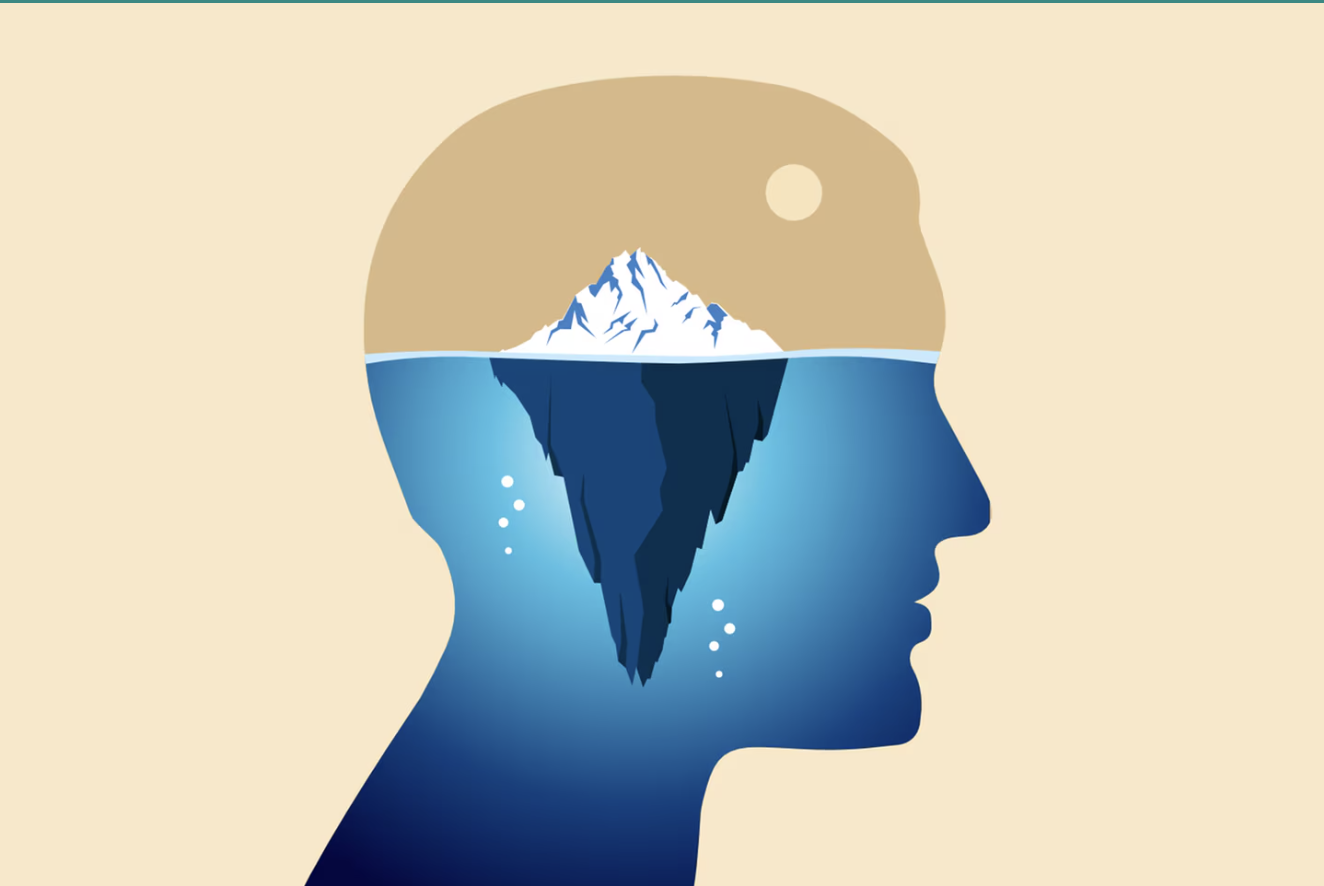
Watching Binna Kandola’s video on unconscious bias made me realize how quickly we form opinions about people we barely know. His most striking point was that everyone has biases, including people who sincerely believe they treat everyone fairly. That made me look back at my own experiences, from the IB Diploma Programme to MUNs to my life at university now. I graduated from the IB Diploma Programme with 27/45. At first, it was easy to see that number as a reflection of my academic ability, especially when I compared my results with those of other students, However, starting university and getting involved in activities outside the classroom helped me like understand that grades do not just tell the whole story. My IB result does not capture the skills I developed, the responsibilities I took on, or what I am capable of learning in the future. It also reminded me that judging someone based on a single number can mean overlooking qualities that are not measured by an exam and then as a Multimedia and Marketing Head at OMAM MUN, I worked with people who had like different responsibilities, ideas, and ways of communicating. In multimedia and marketing work, the first convincing idea is rarely the best one. I remember that during one campaign, I almost dismissed a suggestion from a teammate who rarely spoke in meetings because it did not sound as polished as the others but then when we reconsidered it, it turned out to fit our audience better than my own idea. This made me somehow realize that confidence does not necessarily mean someone has the best idea, just as being quieter does not mean someone has less to contribute and i believe a team’s success depends on more than its most outspoken members. Then at AUC now, I have become more aware of how easily people form groups around familiar faces, shared interests, and similar academic experiences. When working on assignments for instance, it can feel more comfortable to collaborate with people I already know or whose working styles resemble mine. In one group project, I automatically paired up with friends from my usual circle. When one time I ended up working with a classmate I did not know well, I assumed they would like contribute less but their approach to the research changed how our whole group handled the assignment and from then that made me understand that like university is an opportunity to meet people who approach problems differently, and if I limit myself to familiar people, I could miss the chance to learn from others and challenge my own assumptions. What I took from Kandola’s video is that good intentions are not enough. I can believe I am fair and still make assumptions that affect how I treat others. Even while writing this, I noticed how quickly I form opinions about classmates based on how much they speak, which showed me that these reactions really are automatic. I cannot promise that I will never judge someone too quickly. What I can do is question my first impressions, listen before forming conclusions, and give people a fair chance to show what they can do. Recognizing bias is the first step, reflecting on our behavior helps us understand it, and respecting others means not allowing our assumptions to define them
Facing History & Ourselves, “Day of Learning 2013 - Binna Kandola: Diffusing Bias”, video, last updated February 11, 2014.


Provide Feedback