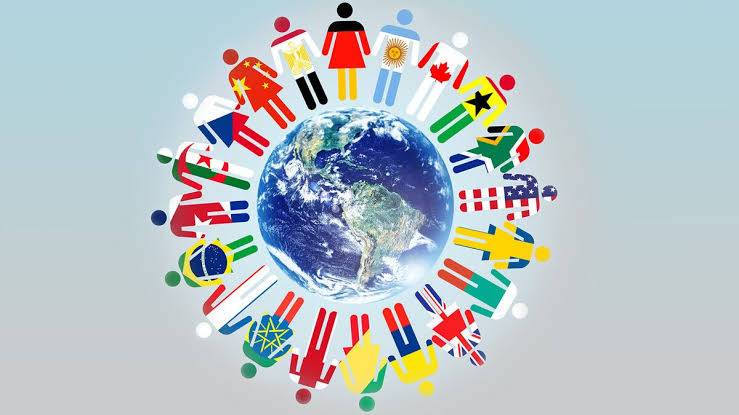
Reflecting on our recent discussions about identity, bias, othering, equity, oppression, and empathy, I’ve realized how deeply these concepts influence our interactions and self-perception. Engaging with various readings and activities has broadened my understanding and prompted introspection.
One impactful reading on implicit bias revealed how unconscious prejudices shape our decisions, even when we strive for fairness. Recognizing these biases is the first step toward mitigating their influence. Another piece on the concept of “othering” highlighted how marginalizing certain groups fosters exclusion and discrimination, making me more aware of my role in either perpetuating or challenging these dynamics.
A study on structural oppression versus equity clarified the distinction between equality and equity, emphasizing the need for systemic support tailored to specific communities rather than a one-size-fits-all approach. Additionally, participating in an empathy mapping exercise allowed me to step into another’s perspective, deepening my appreciation for diverse experiences and emotions.
Despite these insights, questions remain about effectively dismantling systemic biases beyond individual awareness. I anticipate that the upcoming Soliya intercultural video dialogues will provide practical examples of how different cultures perceive and address bias, enriching my understanding. I’m not a foreigner to intercultural experiences and interactions. I’ve spent almost my entire life navigating my way through countries and places where I don’t systematically “belong” yet I have had pleasant success in making what was first a foreign land to me, into what I call home.
This journey has also prompted self-reflection on how I present myself and how my identity influences my worldview. I’ve become more conscious of how my background shapes my biases and the challenges I face when confronting biases in group settings. Balancing openness to new perspectives while staying true to my values is an ongoing challenge. In the Soliya experience, I expect my identity to play a significant role as I engage with individuals from diverse cultures, offering opportunities to express my viewpoints while remaining receptive to others.
Interacting with people from different backgrounds has underscored the importance of cultural sensitivity and effective communication. I’ve learned that assumptions can hinder meaningful dialogue, language nuances matter, and empathy is crucial for understanding differing perspectives. However, I still grapple with navigating difficult conversations without causing offense or shutting down discourse. Through Soliya, I aim to enhance my skills as a global digital citizen by actively listening, engaging in respectful disagreements, and remaining mindful of my biases.
Considering the potential emergence of the Palestine issue during Soliya discussions, I anticipate intense and emotionally charged conversations. If I were to guide such a discussion, I would encourage participants to share personal narratives to humanize the topic, focus on the human impact rather than solely political aspects, and establish ground rules to maintain respectful dialogue. Support in managing emotions and de-escalating tensions would be essential to facilitate a constructive exchange.
Overall, this course has deepened my understanding of complex social concepts and fostered personal growth. I look forward to applying these lessons during the Soliya dialogues, challenging myself to listen more intently, communicate effectively, and navigate cultural differences with empathy and respect.


Provide Feedback