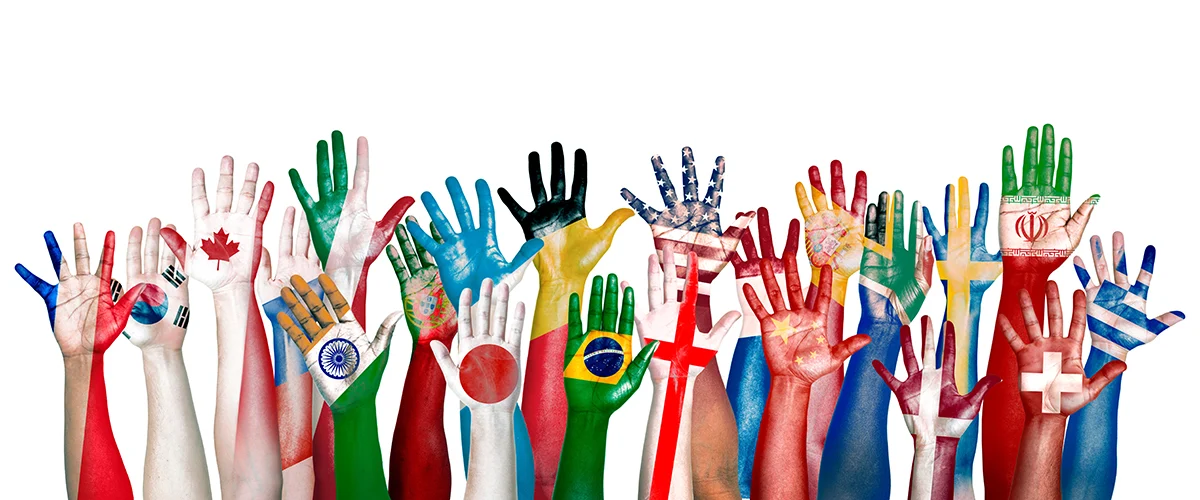
Hello everyone, and welcome back to my blog! Today, I’ll be reflecting on my journey throughout this course, how it has shaped my perspective, the lessons I’ve learned, and what I hope to take away from the Soliya experience.
Throughout this course, I’ve explored topics like identity, bias, and communication. I’ve learned things I wouldn’t have encountered on my own, and the TED Talks and readings have helped me see the world in new ways.
How Language Shapes the Way We Think – Lera Boroditsky (YouTube)
I learned how language affects perception from Lera Boroditsky’s TED Talk. For example, some languages use cardinal directions instead of “left” and “right.” This made me think about how language impacts cross-cultural communication—misunderstandings aren’t always about words but rather about different ways of thinking. As I talk to people from various backgrounds at Soliya, I’ll keep this in mind.
Trauma-Informed Education – Mays Imad (YouTube)
Mays Imad’s video also stood out to me. She discussed asking, “How is your heart?” instead of just “How are you?”—a question that builds trust and connection. It made me realize how often we misinterpret disengagement or frustration without knowing someone’s struggles. Going into Soliya, I want to be more mindful of this and create space for open, empathetic discussions.
War in Translation: Giving Voice to the Women of Syria – Lina Mounzer (LitHub)
This was one of the most powerful readings for me. It made me realize how much meaning can be lost or reshaped in translation. Mounzer wasn’t just changing words—she was carrying the pain, strength, and stories of the women she translated for. This made me think about how important it is to represent someone else’s experience with care and accuracy.
Diffusing Bias – Binna Kandola (Facing History)
Watching Binna Kandola’s talk made me realize how easily bias can shape our thoughts and decisions without us even noticing. It got me thinking about my own biases and how they impact my interactions. Now, I try to be more aware, question my assumptions, and keep an open mind in conversations.
Questions I Still Have
- How do we become more aware of biases we don’t even realize we have?
- How can we build deeper trust in conversations across cultural and personal differences?
- What are the best ways to handle misunderstandings in cross-cultural communication?
How Soliya Can Enrich My Understanding
Soliya will give me the chance to apply these lessons in real conversations. By speaking with individuals from various cultural backgrounds, I hope to gain a deeper understanding of how language, bias, and identity influence communication. I also want to learn from other people’s experiences, challenge my own assumptions, and engage in active listening.
What I Have Learned About Myself and How I View the World
Through my class studies, I have recognized how my background influences my worldview, especially in ways I hadn’t noticed before. These learning experiences have helped me uncover hidden biases in my thoughts. I now understand that communication is more than spoken words—it includes understanding how people see the world differently. This new level of tolerance and patience benefits me most when I try to step outside my perspective. I now take the time to listen and consider different ways of looking at things.
Some questions I continue to ask myself:
- Am I truly open to new perspectives, or do I subconsciously hold onto my own views too strongly?
- How can I better navigate conversations where I disagree with someone while still being respectful and open?
How My Identity Might Affect My Soliya Experience
My identity will play a big role in how I interact with others during Soliya. My cultural background and personal beliefs shape how I express myself, and I know that others will bring their own unique perspectives as well. I might find that certain topics feel familiar to me, while others challenge me to see things in a completely new way. I also expect that my own biases and assumptions may be tested, and I want to be open to that challenge.
I anticipate that language and communication styles might create differences in how we express ourselves. Some people might be more direct, while others are more reserved, and I’ll need to adjust to those differences. I also want to be mindful of how my words and reactions might be interpreted by others with different cultural backgrounds.
How I Might Use Soliya to Enrich My Self-Knowledge
Soliya provides an opportunity to view myself from a range of cultural perspectives. I want to speak with others to better understand how my identity shapes my thinking and how others perceive me. Through Soliya, I hope to challenge my own ideas, improve my communication skills, and build my ability to engage in discussions with people who hold different perspectives on difficult topics. My experience will not only help me understand others better but also teach me how to enhance my cross-cultural skills.
What I Have Learned About Interacting with People Who Are Different from Me
I’ve learned that effective connections require patience, active listening, and a willingness to accept different viewpoints. People form their ideas based on their cultural and personal backgrounds, which may differ from my own perspective. Misunderstandings often happen because people process the world differently. This awareness has made me more empathetic and curious in conversations.
Questions I Have About Becoming a Better Global Citizen
- How can I challenge my biases more effectively in daily interactions?
- What skills do I need to develop to communicate more effectively in diverse global settings?
How I Hope Soliya Will Help Me Become a Good Global Digital Citizen
Through Soliya, I want to learn how online discussions can be productive when participants prioritize understanding each other. In online communication, where facial expressions and body language are absent, messages can often be misinterpreted. Through this experience, I want to better understand how my words are received and how to communicate them effectively. Additionally, I hope to gain insight into how digital platforms can connect people despite cultural and geographical differences.
How I Might Use Soliya to Improve My Ability to Interact with Different Cultures
I want to practice active listening, ask thoughtful questions, and consider different viewpoints by talking to people from diverse backgrounds. My goal is to gain confidence in international discussions, discuss cultural differences without fear, and improve my cultural awareness both online and offline.
Discussing Palestine in Soliya
A debate about Palestine in Soliya will likely be intense and emotional, with opinions shaped by people’s backgrounds and experiences. Some may focus on politics or history, while others may view it as a human rights issue. For some, it is distant; for others, it is deeply personal.
If I were participating in such a conversation, I would want to create an environment where people feel safe to speak without fear of judgment. I would encourage empathetic listening and discourage political debates that overshadow personal narratives. I may need support in managing my emotions and ensuring the discussion remains fair. Having clear guidelines on active listening and open-mindedness would help facilitate such a discussion.
note: I used AI for Grammar Correction, Titles , and the format. This is the link to my thread https://chatgpt.com/share/67e4190f-3074-8007-bb55-d31aeb5d5046


Provide Feedback