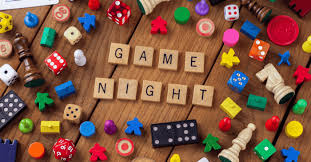
Family game night but with a twist. This time, empathy took the steering wheel, guiding me through lives far different from my own and forcing me to confront realities I might have otherwise overlooked. These are the reflections that stayed with me long after the game ended.
1.) Spent http://playspent.org/
I survived the simulation, but I could deeply empathize with the struggle. I became very conscious of the sacrifices required simply to survive. I wanted to be a loving mother and prioritize my child, yet I constantly found myself thinking that survival was more important than fun or comfort. At times, I spiraled into questioning whether they deserved this misery, fear, and struggle at all.
The implementation of real facts made the game far more educational. It reminded me that although this was just a game for me, for many people these feelings and decisions are reality. Choosing items from the shopping list felt especially stressful. I know nutrition is a necessity, so actively neglecting healthier items because of their price felt like going against my instincts. It also felt like a snowball effect — poor nutrition leads to poor health, which then requires medicine that we cannot afford. The mental battles felt very real, and this was only for one simulated month.
In my opinion, there was very little to improve in this game. It was extremely insightful both academically and emotionally, and it genuinely made me feel what it is like to make difficult survival decisions in poverty.
2.) Syrian Refugee Simulation http://www.bbc.com/news/world-middle-east-32057601
First attempt:
The first time, I traveled to Turkey and paid the deposit to cross, but the smuggler ran away with the money. I was left with only 6000 in a country with higher living expenses and no way to leave. From this, I learned how important it is to be cautious when trusting strangers in environments where desperation can be exploited.
Second attempt:
The second time, I chose to go to Egypt. I took a bus and managed to keep my family together and healthy. I reached step 6 out of 7 and felt hopeful. However, when it came to boarding the boat, Ahmed promised to keep the family together if I paid him extra. I trusted him again …and he lied. I eventually drowned.
This game powerfully demonstrated the fear refugees experience: fear of being caught, tricked, separated from family, or even dying. I felt emotionally heavy after playing, especially because I have friends who have lived through similar situations. The experience made me appreciate the stability and comfort I currently have — being surrounded by loved ones and having access to shelter, food, and safety.
To improve the game, I would add reflective comments or facts after each decision to strengthen the academic learning outcomes.
3.) Responsible Partying https://docs.google.com/presentation/d/1FUGGJrxTjq9YnmcRGJKG_CsX1npnBy9LpSrlYVAgiNE/mobilepresent?pli=1&slide=id.p
I liked how the game embedded facts and videos within the storyline. The writing style felt similar to popular interactive story games, which made it relatable even though the content itself was not personally relevant to me.
One limitation was that the outcomes felt somewhat predictable. However, this actually proves an important point: even when teenagers know better, being responsible in the moment can still be difficult. Raising awareness is essential because having that “voice of caution” in the back of someone’s mind may encourage safer decisions.
If I were to improve the game, I would make the academic commentary less statistical and more story-based. I remember the overall concepts but not the specific statistics, so making the facts more narrative could make them more memorable.
4.) Project Honduras – Disaster Management https://www.trocaire.org/education/project-honduras
This game was insightful in showing the preventative measures countries take to reduce the impact of natural disasters. It highlighted how many urgent needs exist with very limited volunteers, forcing players to prioritize what would help the most people in the long run, what has a higher chance of success, and how many volunteers each task requires.
Disaster management is not a skill I had previously considered practicing. The time restraints added pressure and emphasized the need to make quick, decisive choices rather than overanalyzing every option.
To improve this game, I would include additional factors such as financial budgets and the level of difficulty for each task. This would allow decisions to be more evaluative and realistic, rather than based solely on the number of volunteers available.
5.) Domestic Abuse Simulation https://janakhalifa.wordpress.com/2017/10/25/digital-narrative-game-draft/
This game was personally triggering because I resonated with parts of it. Some moments were especially shocking, such as the policeman’s comment about “bringing shame to your husband’s name.” It highlighted a male-dominated mindset where loyalty seems to be prioritized over justice , almost like a male version of a “girls’ girl” mentality.
I was also disturbed by the family’s reaction, particularly when they suggested that the woman “instigated” the abuse. The lack of support was heartbreaking and demonstrated how victims can feel isolated from all sides. The final slide offering advice and support resources was a thoughtful and important touch.
Overall, the message was communicated clearly and effectively, and there is very little I would change.
6.) When Someone You Love is Depressed https://aliacreates.wordpress.com/2022/05/09/digital-narrative-game-phase-5-final-draft/
This game effectively showed that depression affects not only the person struggling but also the people around them. It captured the feelings of helplessness, nostalgia, and sadness that loved ones often experience. These emotions can begin to affect their own mental health as well, which emphasizes the importance of self-care to prevent a domino effect.
If I were to improve this game, I would shorten it slightly, as it felt quite long at times.
7.) Offline Emotion Card Game
The first offline game we played , where we each had emotion cards and had to hand in the one that matched the scenario , was one of my favorites. It encouraged us to empathize with specific emotions and think critically about what might trigger them. This strengthened emotional intelligence by helping us understand both positive and negative feelings in different contexts.
I appreciated the wide range of emotions included, as it allowed for both reflection and positivity. To improve this activity, I would create more elaborate scenarios to truly challenge emotional intelligence and empathy. More complex situations would make it feel more realistic and allow for deeper practice.
My overall reflection and and Comparison :
I was a character drifting through lives not my own,
From a Syrian refugee to a wife overthrown.
I walked through the wreckage, the silence, the strife,
Asking softly, *What would I do if this were my life?*
Through climate control and the weight of the heat,
Through poverty’s ache and empty streets,
Through responsible partying, choices at night,
Through mental health battles fought out of sight.
Empathy carried me into their shoes,
Placed in their stories, to pick different cues.
Each scenario whispered, each pathway was wide,
Testing my heart more than testing my pride.
With domestic abuse, with exile and fear,
I felt their emotions draw painfully near.
That was empathy , steady and deep,
The kind that makes promises hard to keep.
With mental health struggles, heavy yet vast,
Compassion moved me to act, not just cast
A glance at the sorrow, but reach out a hand,
To comfort, to listen, to try to understand.
And sympathy rose in quieter parts,
When choices were distant from my own heart.
Responsible partying , not my scene,
Yet I could still care for what others have seen.
In class we learned how these feelings compare:
Empathy, sympathy, compassion, care.
I practiced all three in different ways,
Each with its purpose, each with its place.
I’m grateful these stories were games in disguise,
Not the harsh, waking truth behind someone’s eyes.
But they opened my mind to realities raw,
To lives shaped by systems, by struggle, by law.
My emotions collided, tangled, intense ,
So many lives lived in a single sense.
Maybe I’m a cat with nine lives spun,
All lived together instead of one.
And though they were simulations, pixels, and screens,
They stitched together what empathy means.
Not just to know ,but to feel and to see,
The weight of another’s reality.
By Jana Boraei


Lovely reflection, Jana. I am looking forward to finding you what your Ikigai is, and what you end up doing your game about.