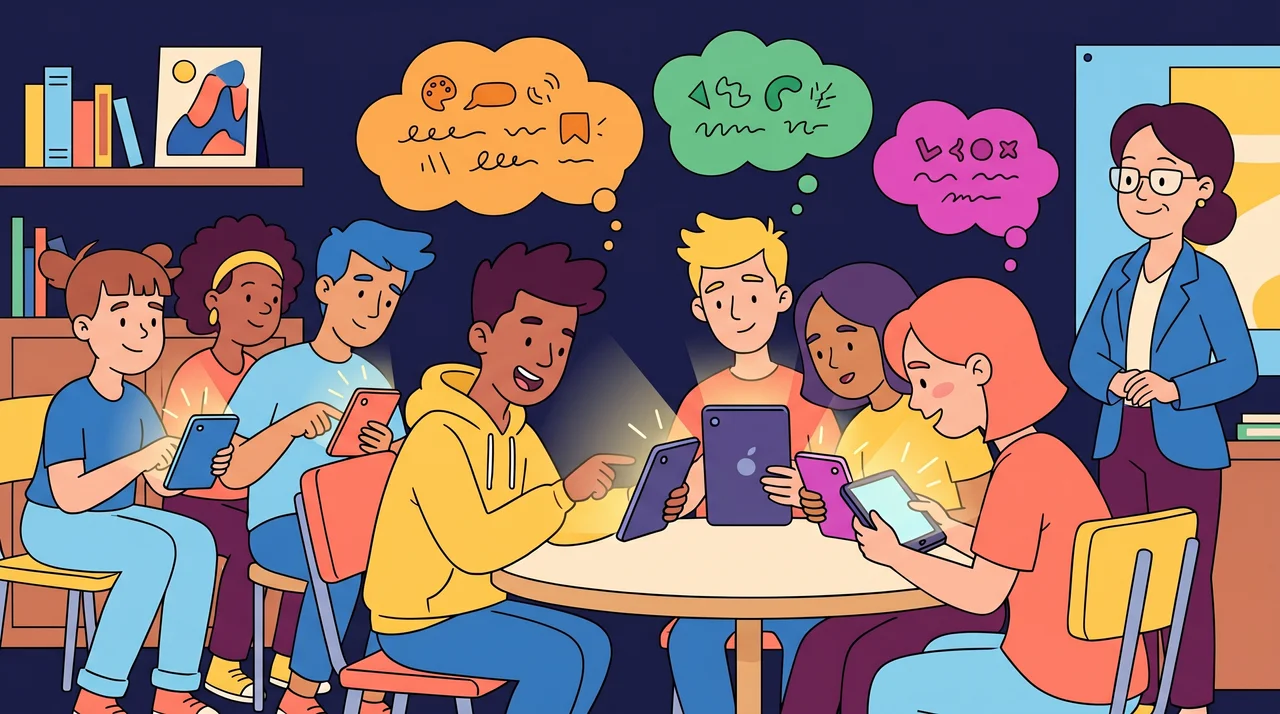
For this assignment, I decided to explore five games, these games are very different from one to another and they both come from different categories. These games include one physical game we played in class, two student created digital games, and two professional games. Each game has a different observation, message, and purpose. Some of the games focused on personal experiences and decision making, while other games focused on teamwork, climate change, and misinformation. For this reason, playing and examining these games made me understand that games are not only created in order to entertain people but also they are created to critically inform them as well. These games can change people’s perspectives, and most importantly learn lessons throughout the interaction or the game.
Firstly, the game I chose to talk about is the Empathy Toy, which we played in class. During this activity, we were divided into groups and one person only had to close their eyes and they had to build a shape using wooden tools or pieces. While the other members of the group guided them verbally only because we couldn’t physically help them. The challenge of this game was to communicate clearly enough in order for the person building to understand what they had to do. Personally, I found this activity very challenging and interesting because at first I did not know the intended purpose of this game. I also really enjoyed the teamwork and communication because it helped us engage and interact with each other. However, at first, we were struggling because the person building could not see the shape or the pieces and that person had to fully depend on the instructions given by the rest of the group. This made me realize that explaining something is not always as easy as it may sound. Even when we know what we want to do, we are most likely going to face challenges when trying to communicate our ideas correctly. To me, the main thing that I learned from activity is the importance of patience, listening, and understanding the perspective of others around me. This part specifically showed me that communication is not only about speaking or expressing yourself but it is also about making sure that the people around you understand what you are trying to explain. One suggestion that I would probably make is to allow the group members to switch roles so that everyone experiences the same challenge because I remember that we tried doing that but we did not have enough time and enough volunteers that wanted to try. I feel like this would make the activity more interesting because each person would be able to fully understand how the challenges were and how different roles mattered.
Secondly, the game I chose to play at home was “When Someone You Love Is Depressed” . This game was created by a previous student named Alia and this game was created in 2022. This game uses a digital, interactive story where players move through different situations and make choices. This game’s main focus is to help people understand the experiences of someone who is mentally going through so much and facing difficulties. The purpose of this game is to show others how to support and help people going through difficult times. Most importantly, it shows how people should make the right and ethical decisions. I found the topic of this game meaningful because it focuses on something that can affect people’s everyday lives and relationships with their loved ones. In my opinion, I liked that the game did not simply represent information but used a story to help the player determine the situation. The different choices also made me think about the way we react or respond to someone and how it can truly affect their experience. However, I think some parts of the game could have been explained concisely. Especially, when forming from one scene to the next and when moving between different choices and sections of the story. What I personally learned from this game is that supporting someone is not always about having the perfect advice or knowing exactly what to say. It’s also not about doing the right choice but it’s about doing the right one. It made me reflect precisely on the difference between the term ‘good’ and the term ‘right’ because sometimes doing the good decision could result in temporary happiness but the right decision could contribute to a greater long term outcome. Also, it made me understand that sometimes listening, showing care and understanding can make someone feel that they are not alone and this could make a big difference. It reminded me that we should not make assumptions about what another person is genuinely experiencing. One suggestion I would make is to include more explanation after certain choices. This would help players understand why a particular response might be more support and appropriate than another. This could also lead to making the educational message clearer.
Thirdly, another game that I chose from a previous student is “Being Under the Influence” and it was created by Karim and Mahmoud in 2018. It is an interactive story that follows a character through different social situations where they have to make decisions. This game focused on one main factor which is peer pressure and how decisions can affect both individuals and the people around them. I found this game interesting because the player is placed in situations where they have to make realistic choices rather than simply read about the consequences beyond the moment in which they are made. One interesting fact is that this game makes the player engage on a personal and realistic label because the player becomes part of the story or the scenario. However, I think some of the situations could have included more explanation, elaboration, and interpretation in order to help the player understand the reasoning behind the different outcomes. I believe that the most important thing I learned is that peer pressure can influence people’s decisions in so many ways even when they do something that they originally did not want to do. But because of the peer pressure they try to find a way to fit in or avoid feeling excluded. This game reminded me that it is extremely important to think independently and consider how our choices might affect ourselves and others. It also highlights the importance of taking responsibility for our decisions. Thus, there is one suggestion I would make is to include a short explanation after each major decision. I feel like this would help players understand the consequences of their choices and connect the story more clearly to its main message. It would also make the player think more deeply about the consequences they might face.
Moreover, the fourth game was professionally created. It is called “Project Honduras” . It is an educational game by Trocaire. It focuses on climate change and its effects on communities in Honduras. The player is able to take a role and it involves helping a community prepare for challenges caused by climate disasters. The game shows the importance of choosing priorities and working together in order to support the community effectively. I really enjoyed this activity because it was very interesting as it connected to a real world situation or issue and it also connected it to an interactive experience. Instead of simply reading about climate change, the player has to make decisions and consider what would be most helpful and beneficial for the community. I liked that this game focuses on how people can collectively work rather than presenting climate change as an issue that individuals are forced to face alone. One improvement that should be considered would be that the game could provide more background information about the people and communities in Honduras so that players are able to evaluate, analyze, and comprehend the situation. Something that I learned from this game is that climate change affects people’s everyday lives and that communities should collaborate when working together especially when facing difficult real life situations. It also showed me that decision making is important because resources and support need to be directed towards the needs and requirements of the community as a whole. One small suggestion I would make is to include more information about the real experiences of people living in Honduras. This would help players connect the decisions they make in the game to the actual challenges and obstacles faced by communities.
Bad news is a professionally created digital game that focuses on misinformation and fake news. During this game, players take on the role of someone trying to build an online following by using different kinds of methods of spreading misleading information. The game introduces many techniques such as using emotional language, creating division, and presenting false information as credible ones, which is very unethical. I believe that this game is interesting because it approaches fake news from a different point of view. This shows that instead of only telling players that misinformation can be seen as harmful, it allows them to clearly understand some of the methods used to spread it. One of the things that I liked is that the game was extremely interactive and the player’s decisions affected their progress. However, some of the concepts could be explained in a more detailed way. Most important for the players who are not very familiar with how misinformation could be easily spread on social media platforms or online. One of the main things I learned from this game is that misinformation does not always look false, it is very tricky to detect which information is true and accurate and which is not. Sometimes, I feel like information can be presented in a way that is very convincing in order to grab attention and influence people’s opinions. This made me realize how important it is to question what we perceive online, and how we should always check information before sharing it with others. I also learned that we should avoid believing something just because it has many followers or reactions. One suggestion I would make is to include a short section at the end of each level explaining how the technique used in the game appears in real social media posts. This could contribute to players connecting with what they learned in the game their everyday life regarding their online experiences.
After reflecting on the five games, I noticed that they are all interesting, interactive, and have a purpose. The Empathy Toy was the only physical activity and it depended on face to face communication and teamwork as well. However, the digital games did not just use a screen or a written storyline. In fact, the learning came from interacting with other people and also from experiencing the challenges of communication. On one hand, the two students created games, “When Someone You Love Is Depressed” and “Being Under the Influence” both used similar integration when it comes to sharing personal stories and decision making in order to be able to communicate their messages and purposes. But their topics were totally different, as I had already explained that first focused on understanding and supporting someone going through a difficult time while the second focused on peer pressure and how people get influenced easily and how the consequences could deeply affect them. I found that both games showed how storytelling can make serious topics easier to understand because players become more involved within the situation. On the other hand, the two professional games had a wider educational focus. Like the ‘Project Honduras’ focused on the climate change issue and the importance of cooperation in the community. While, ‘Bad News’ game was focusing on how misinformation is spread in the online world. In both games, they used interactive decisions in order to help players determine the issue that exists in the real world. I felt like this is very important and very helpful for people’s knowledge and understanding. I also realized that both games can lead to effective communication, focus, and learning. Another difference I personally realized was the way each game was able to encourage learning. The Empathy Toy through direct experience, the student created games using personal stories, and lastly the professional games used more structured educational scenarios. However, I believe that the five games had one major thing in common which encouraged players to think about their actions and understand situations from different points of view. Hence, I found that the games were more engaging when the player had an active role rather than just only receiving information. Making choices, communication with others, and truly seeing the results of their decisions made the learning process more memorable, enjoyable, and realistic.
If I were to create my own narrative game, I would choose a topic related to university student life and the challenges students students might face under academic pressure and how they are able to balance responsibilities, friendships, and personal interests as well. The game would follow a university student who has to make different kinds of decisions throughout a typical week. One great example of this would be that the player might have to decide how to manage their time effectively, communicate with friends better, and deal with their academic pressure or even respond to unexpected situations. Each choice would lead to a different outcome, showing how everyday impacts students life and their decision making process. I would make the game interactive by including different choices and endings rather than having one storyline only. I would also want to use realistic situations that university students can actually relate to so players can connect with the character and think deeply about what they would do in similar situations. Since I explored many different kinds of games, I learned that a good narrative game needs more than just an interesting story. It should also have main aspects like having a clear purpose and give players opportunities to evaluate, critically think, make decisions, and learn something from the experience. This is why if I were to create a game, I would focus on combining storytelling with meaningful choices so that the player feels involved rather than simply reading information.
Overall, exploring these five interesting games helped me develop a better understanding on how games could be used as tools to communicate essential information and messages. Each game had a different purpose and approach, but they all managed to show interaction and they all managed to show learning in a more engaging way. I mostly noticed how storytelling, teamwork, and decision making can help players understand topics that they might not normally notice or think about. This experience also gave me ideas about how I would approach creating my own narrative game in the future and it also made me think about how creating a game could make me a creative person.


Provide Feedback