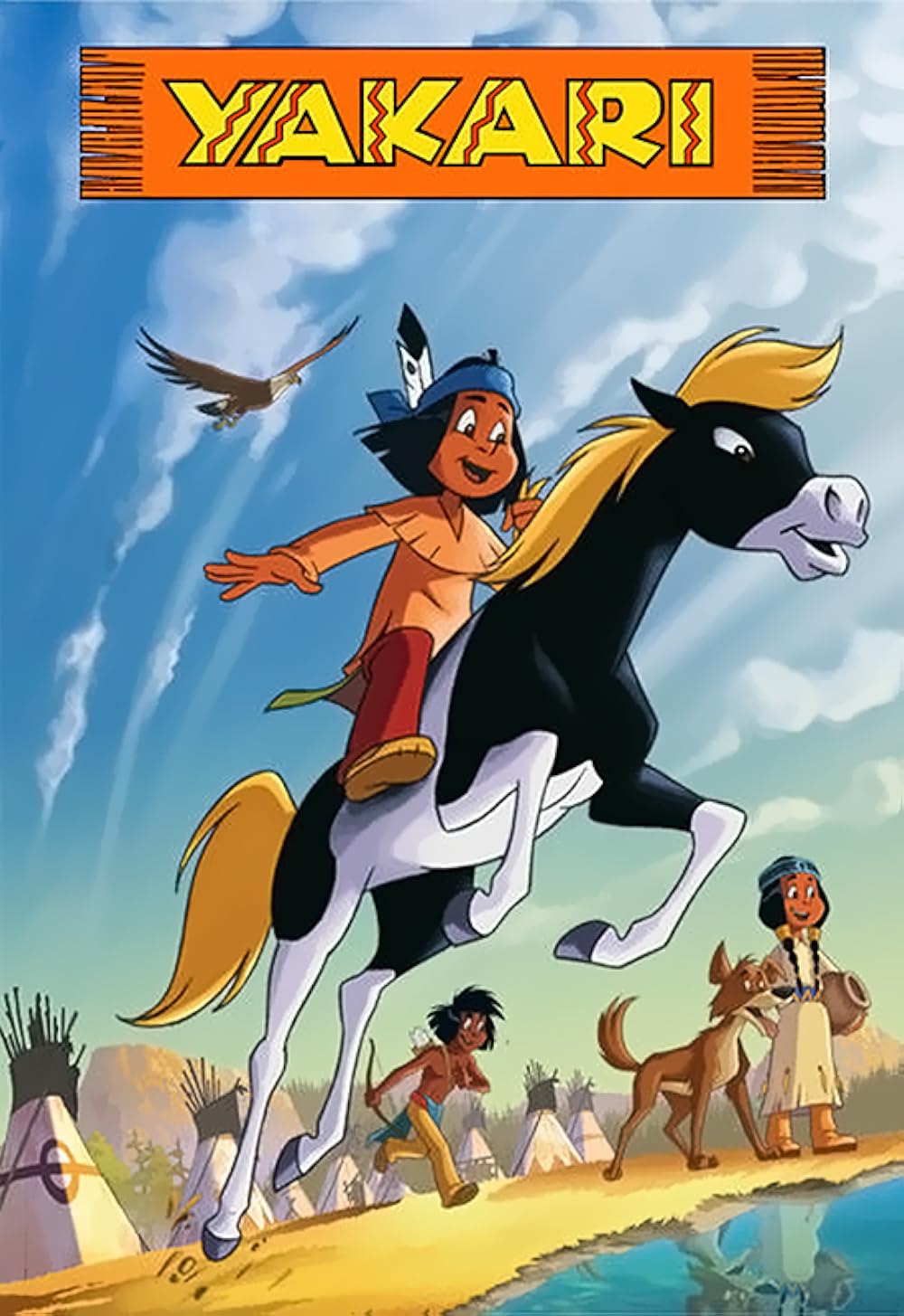
I grew up watching classic cartoons like Tom and Jerry and Bugs Bunny. Despite their humorous nature, they contained racist stereotypes that forced a one-sided narrative about Native Americans into the minds of kids my age. It is sad to realize that, although those specific episodes were banned or heavily censored in the United States, channels continued to air them unedited across the Middle East for years. However, during this same time, there were other shows like Spirit: Stallion of the Cimarron and Yakari. Because these cartoons showed Native Americans in an entirely different, much more humanizing way, I got confused. This contradiction made me want to know more about who these people actually are. I started to read more about their real history, including how they received their name (red Indians) simply because Christopher Columbus mistakenly thought he had reached India. Seeing that their name was based on a historical error showed what Adichie meant by the single story and how Americans, not the Red Indians told their story. Since then, I no longer just accept the caricatures I see on screen whenever I encounter a culture I am unfamiliar with in media; I question the narrative and actively look for the real history.
Adichie, C. N. (2009, July). The danger of a single story [Video]. TED Conferences. https://www.ted.com/talks/chimamanda_ngozi_adichie_the_danger_of_a_single_story Asbury, K., & Cook, L. (Directors). (2002). Spirit: Stallion of the Cimarron [Film]. DreamWorks Animation. Yakari (TV series 2005– ). (n.d.). IMDb. Retrieved October 5, 2026, from https://www.imdb.com/title/tt0856155/ Two Little Indians. (n.d.). Tom and Jerry Wiki. Retrieved October 5, 2026, from https://tomandjerry.fandom.com/wiki/Two_Little_Indians Horse Hare. (n.d.). In Looney Tunes Wiki. Retrieved October 5, 2026, from https://looneytunes.fandom.com/wiki/Horse_Hare


Provide Feedback