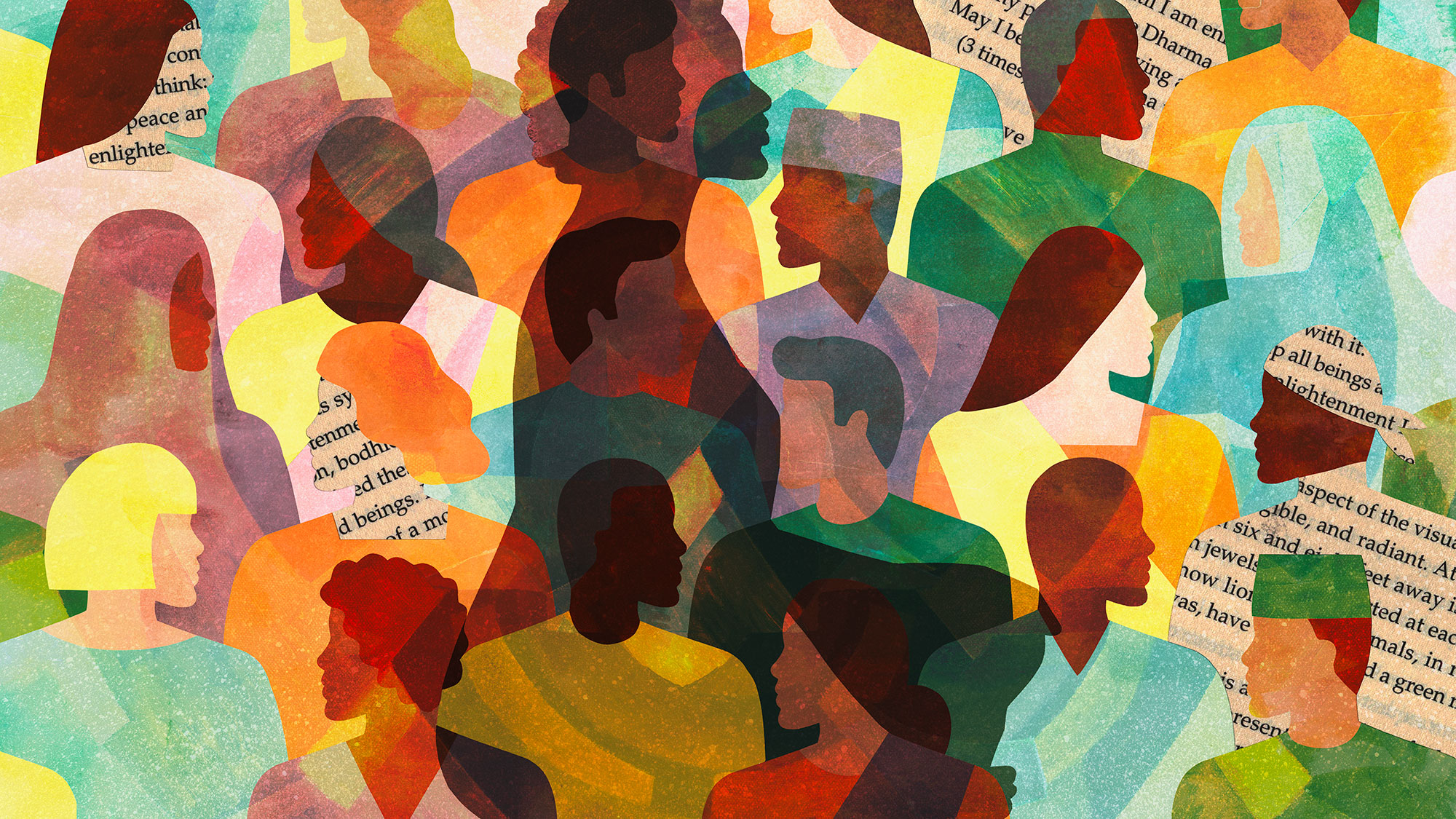
Welcome – Today I asked AI about different terms and I will share with you what came up to me.
Bias and Othering
Empathy and Compassion
Asking perplexity about examples of othering
Examples of Othering
Othering is a social process where individuals or groups are marginalized and excluded based on perceived differences. Here are some examples:
Racial and Ethnic Othering:
The Holocaust: The Nazis used othering to categorize Jews, Roma, and other groups as inferior, leading to systematic persecution and genocide.
Racial Segregation: Historical practices like Jim Crow laws in the U.S. and apartheid in South Africa exemplify racial othering.
Sexual Orientation and Gender Identity Othering:
Same-Sex Marriage Debates: The discourse around same-sex marriage often involved othering, where LGBTQ+ individuals were viewed as different or inferior.
Transphobia: Transgender individuals are frequently othered through legal and social exclusion.
Socioeconomic Othering:
Class-Based Exclusion: People from lower socioeconomic backgrounds are often stereotyped and excluded from social and economic opportunities.
Cultural and National Othering:
Migration Discourse: Migrants are often othered by being portrayed as culturally different or problematic, affecting their integration and access to resources.
Colonialism: Colonial powers have historically used othering to justify dominance over colonized peoples, emphasizing perceived cultural or racial superiority.
Literary Examples:
“The Metamorphosis” by Kafka: This novel explores extreme othering through the transformation of the protagonist into a creature that is alienated from society.
“Frankenstein” by Mary Shelley: The monster is a classic example of othering, where a being is rejected and feared due to its differences.
These examples illustrate how othering can manifest in various contexts, leading to social exclusion and inequality.
Asking perplexity about examples of othering in Egypt
Examples of Othering in Egypt
Othering in Egypt manifests in various forms, affecting different groups and communities. Here are some examples:
Nubian Community:
The Nubian people have faced historical displacement and marginalization, particularly after the construction of the Aswan Dam. They have demanded resettlement and recognition of their cultural rights, but these efforts have been met with resistance and othering.
Shiite Minority:
Shiites in Egypt have experienced persecution and exclusion, often due to misconceptions about their beliefs. During religious events like Ashura, they have been prevented from practicing their rites, highlighting the state’s role in othering them.
Female Domestic Workers:
Female domestic workers are excluded from labor laws, leaving them without legal protections. This exclusion is a form of othering, as it denies them basic rights and dignity.
People with Disabilities:
Individuals with disabilities face significant barriers in accessing public services, including voting rights. Polling stations often lack accommodations, further marginalizing this group.
Class-Based Othering:
Socioeconomic differences in Egypt lead to class-based othering. Terms like “sabarsi” or “falah” are used pejoratively to describe lower classes, while upper-class individuals are labeled “ibn-nas,” reinforcing social divisions.
Al-Jams Families:
Known as the “Descendants of Strangers,” these families are socially isolated and lack official documentation, leading to exclusion from education and employment opportunities. Negative stereotypes exacerbate their marginalization.
Refugees and Migrants:
Refugees and migrants in Egypt often face discrimination and exclusion. For example, Syrian refugees have struggled to integrate into Egyptian society due to legal and social barriers.
These examples illustrate how othering affects various groups in Egypt, leading to social exclusion and inequality.
Reflecting on my personal Experience
I remember I experienced othering during a group project. I shared an idea based on how I learned things back home, but someone said, “That’s not how we do it here,” and no one listened to me. It made me feel like I didn’t belong just because I was different.
I’ve also seen this in movies and TV shows. For example, in school shows, new students from other countries are often shown as quiet or strange. They don’t get much attention, and they’re treated like outsiders. That’s another example of othering.
Places I feel I belong to!
Beach

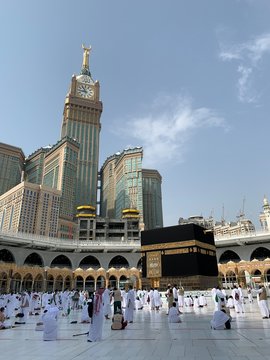
Makkah
Places I DON’T feel I belong to!
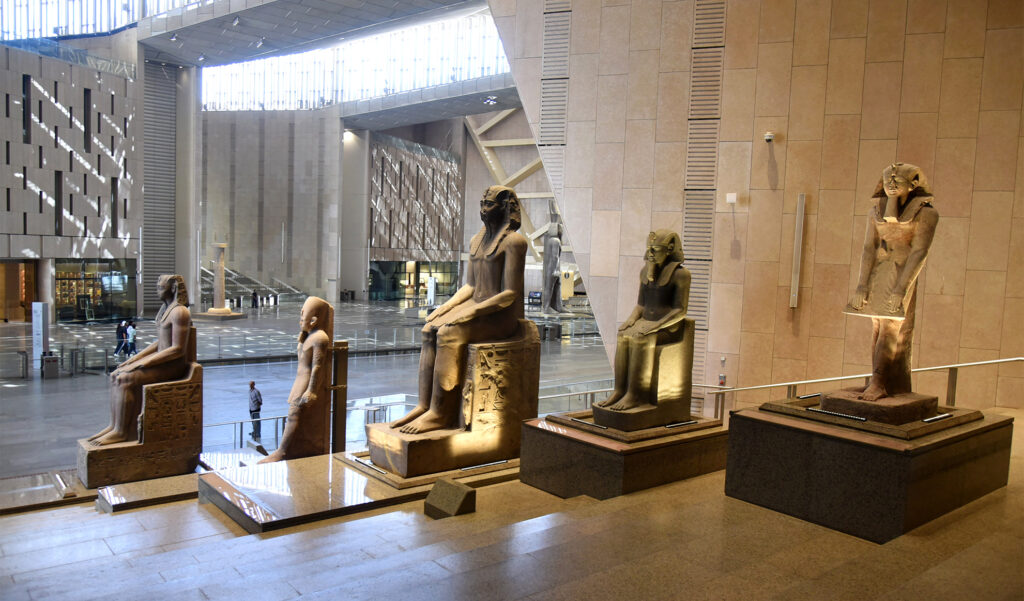
Museums
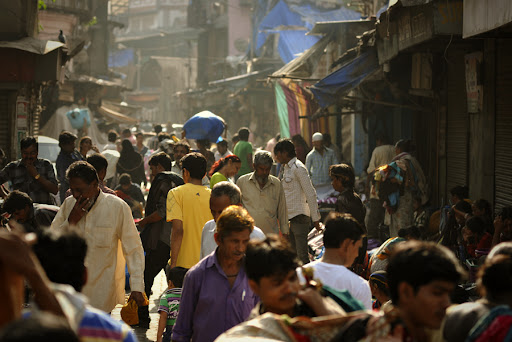
Crowded Places


Provide Feedback